

Landlord Gas Safety Certificates - Common Mistakes Landlords Make
Landlord gas certificates allow landlords to adhere to the law while protecting their tenants. They reduce the risk of carbon monoxide poisoning, by identifying malfunctioning appliances, flues, or pipework that need to be repaired.
These checks are typically performed by an Gas Safe engineer and can be completed quickly. Digital tools that are integrated into job management systems simplify the management of jobs.
Requirements
Gas safety certificates for landlords are a legal requirement and landlords must ensure that all their tenants have access to a licensed engineer to conduct a check. The best way to do this is to include an agreement in the tenancy agreement that states that the property will be available to Gas Safety checks. It will also be clear to the tenant what happens if they refuse to allow access.
Landlords must ensure that their properties have a valid CP12 certificate, which lasts for 12 months. It is recommended to renew the certificate on the same day as the previous one expires so that you don't waste days when the new and old certificates are in conflict. A recent update to the law has granted landlords more freedom in how they conduct their inspections, but it is important to remember that this does not mean that landlords will be able to shorten the duration of their annual inspections.
It is important to remember that only engineers registered with Gas Safe Register are legally authorized to work with gas flues, piping, appliances and appliances. If a landlord employs an unregistered engineer who is not registered, they could be held accountable for a criminal offense.
If a tenant does not allow access to the annual Gas Safety Check the landlord should send them a letter with a clear explanation of the reason for their refusal and what is involved with the inspection. If the landlord doesn't receive an answer, they could take further action such as the issue of a Section 21 Notice or applying to the court for an Injunction. Installing inspection hatches allows engineers to inspect for gas leaks and ensure that the appliance shutoff valve works.
Tenants' responsibilities
It's your job to ensure that the gas lines in your apartment are secure. You could cause your tenants to suffer injuries if do not take the necessary steps. To ensure the safety of tenants, have your NYC apartment's gas inspection performed by a qualified engineer. You also have to ensure that your tenants are able to easily access the gas supply. If what is a gas safety certificate of your obligations, you should contact an New York Apartment Fire Injury Lawyer right away.
It is essential that you hand your tenants the gas safety certificate of the landlord at the start of their tenancy, or as soon after the inspection as possible. You should also display it prominently in the property. If you're the landlord of a house that shares appliances, you could divide the appliances and flues into separate parts in order that each receives their own gas safety inspections.
There are times when you'll encounter tenants who won't allow the engineer to conduct the security checks. It's usually because they think that it's an invasion to their privacy or because they're involved in a dispute with their landlord. Make them aware that carbon monoxide can be dangerous gas, and it's your legal duty to protect them.
If your tenants aren't willing to allow the gas operative to conduct the test, it's worth including an agreement that states that they must allow access to the gas operative for maintenance and safety inspections. The tenancy agreement should state whether you can disconnect gas supply and, if so, when this is allowed. It is also recommended to provide the worker a method of uniquely identify himself or herself by scanning a signature, employee ID, or a payroll number that is unique to them.
Access
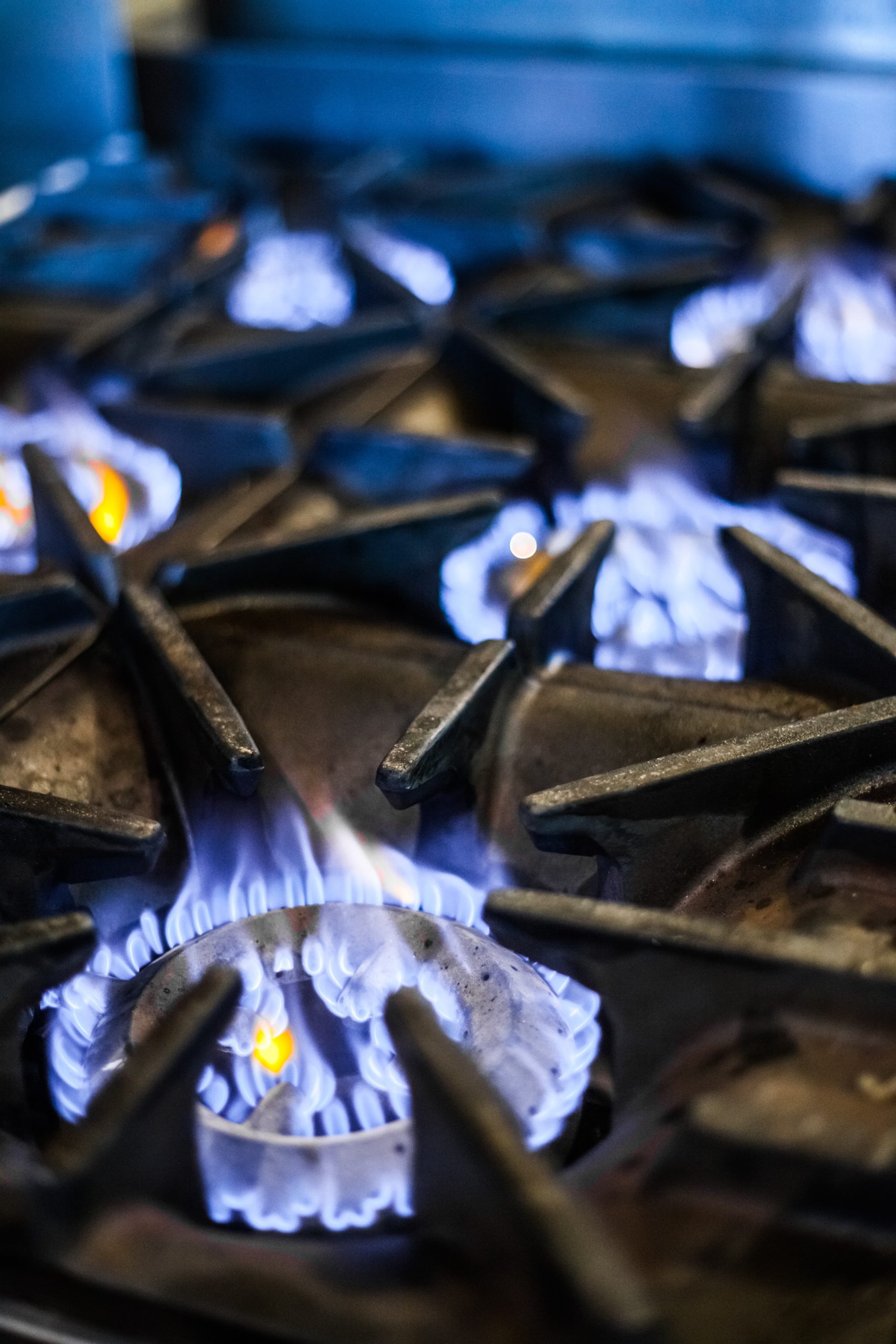
Every property with gas appliances like a boiler must be equipped with a gas safety certificate. A landlord who fails to renew their certificate could face massive fines and also the possibility of making tenants feel uncomfortable. To avoid this, it is important that landlords keep their certificates current by scheduling an annual check of their tenants gas.
The cost of a gas safety check is determined by a range of factors, including the location of the property and the amount of gas appliances it houses. Gas safety checks cost between PS35 to PS150 per property. However, the cost could vary significantly depending on the location and the gas company that is used.
Landlords must provide their tenants with a copy of their gas safety certificate that is also known as a CP12. This document should be handed to tenants within 28 working days after the inspection has been completed. New tenants must also be provided with the document within 28 working days of moving in. The landlord should display a copy of the CP12 on the property and make sure it is easily accessible.
Tenants can make sure that their landlord is in possession of a valid certificate of gas safety by making sure that they have access to the gas and the appliances they have with them aren't connected to gas mains. They should also look for clunking sounds or black marks on appliances, or other signs of problems with the gas system. They should notify the landlord if they observe any of these indications.
If a landlord is not able to gain access to their property to conduct a gas safety check and is unable to do so, they must prove that they have taken all "reasonable steps" to comply with laws. This could include making repeated attempts to conduct checks and sending letters to tenants to inform them that safety checks are a requirement by law for their safety.
Expiry date
Gas safety certificates must be maintained up-to-date by landlords. Failure to do so could lead to unforeseen hazards and fines from regulatory agencies. In addition, failing renew a certificate within the timeframe may cause a landlord to lose their insurance coverage. However, navigating the complicated regulations surrounding these certificates isn't always easy. There are common mistakes landlords make when conducting these checks, and they must be aware of these to avoid them.
Landlords are legally required to conduct annual gas safety tests of all the appliances on site and flues. They are also required to provide copies to tenants within 28 days of the test, and new tenants at the beginning of their lease. A copy must also be displayed in a prominent spot on the property. Landlords are also required to keep records of these tests for at least two years.
Since the 6th April, 2018, the regulations have changed slightly to give landlords more flexibility when they need to get their gas safety inspections completed. This change allows landlords to have their gas safety checks completed up to two months prior to the due date, but still preserving the expiry date of the check. It is crucial to arrange the check ahead of time and don't think that there is an extension period.
If a landlord doesn't have the gas safety check done before their current certificate expires, they will not be able to let their properties until the new checks are done. Landlords must be aware that this is a serious breach of regulation and they can face substantial penalties.
Recommendations
As an owner, you need to ensure that your gas safety certificate is current at all times. Keep copies of your prior certificates for at least two years. You must shop around to find the best price. Prices may vary.
During the inspection the engineer will provide you with a completed Landlord Gas Safety Record. This is important to provide to new tenants prior to their move-in, and to prove compliance with legal requirements. The document includes the description and location of the gas appliances and flues that have been examined. It also lists their test dates, as well as any action taken by the engineer. It should also contain the name, registration number and unique identifier for the engineer who conducted the test. This could be an electronic signature, a scannable identification card, or a pay number that is unique to the individual who performs the test.
The engineer will record any appliances or flues that are not safe on the safety record. The landlord then has to arrange the necessary repairs. If the issue is not resolved within a reasonable time, the engineer may disconnect the gas supply and request it be reconnected until repairs are completed.
Landlords are required to fulfill a variety of obligations to their tenants, and staying up-to-date with annual gas safety inspections is among the most important. Infractions to the rules could result in a fine or imprisonment should a fatal accident occur.